Raw Milk Testing
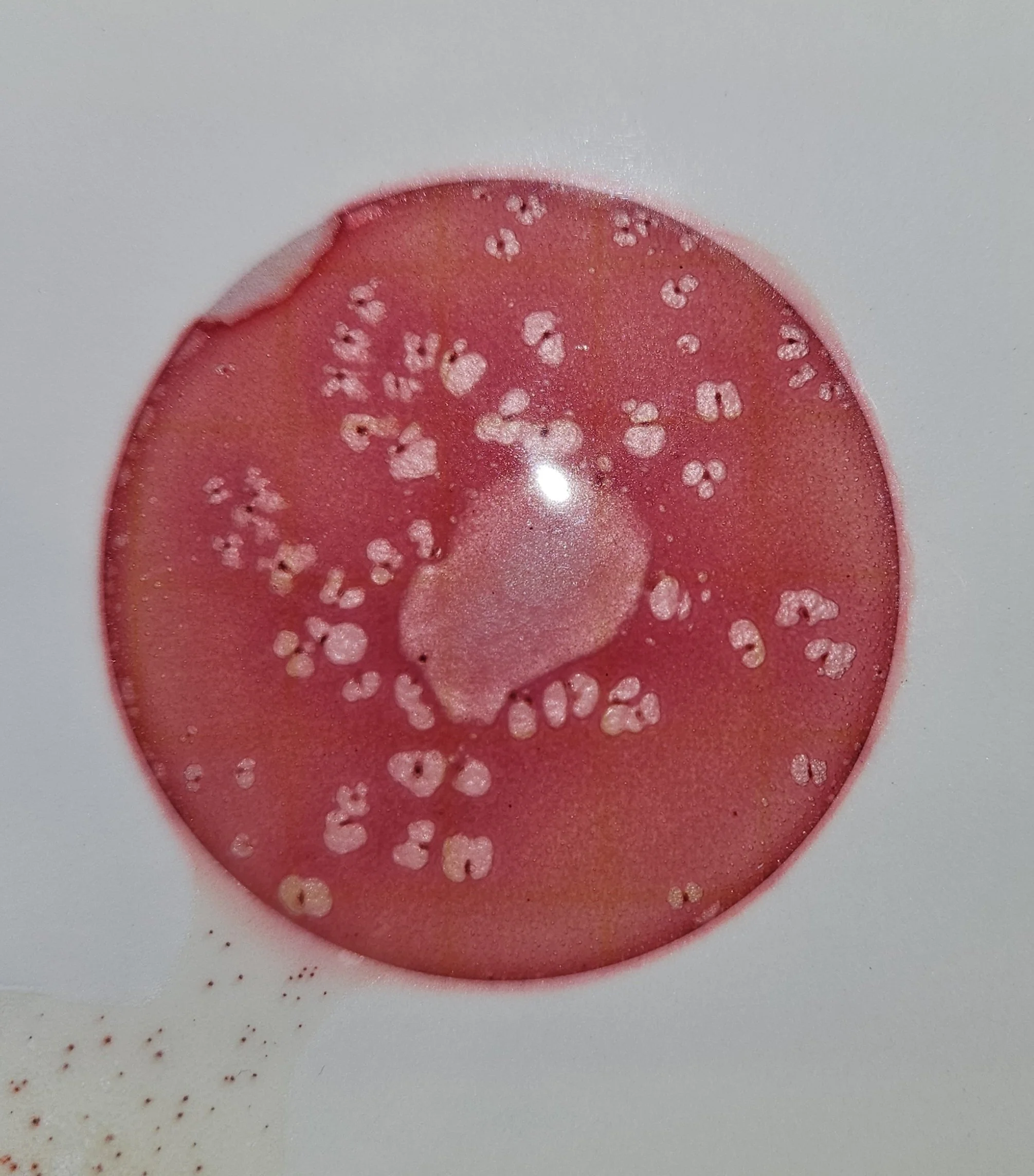
4:30 AM I’m up and ready for the day. The 1st thing I do is check the milk tests from yesterday's milking.
Most days it’s just a glance, a silent good job to myself, I turn off the lab, toss the 2 petri films into the trash, and do the next thing in the morning milking routine.
Today was different. I pulled the Petri films out and just stared at them. The Coliform was loaded with spots. Panic sets in, my brain goes from zero to 100 in a split second. Instantly, I’m thinking of all the possibilities that could happen to show such a hot test.
I silently go through a checklist in my head. Could it be the milking system, the cow, or was it one of our employees who may have contaminated the system while milking yesterday? So many things.
4:32 I’m still looking at the film. I let my brain spin out for a few more seconds, then I remind myself, “all the milk is still in the fridge, simply give it to the calves, call the members and let them know that no milk will be in this week, everyone is safe.“
This is why we test. The most important part of my job is making sure that everyone is safe. Our employees stay safe and don’t get hurt, the cows are safe and well taken care of, and our members get safe, clean raw milk.
In order to do that, we test every batch of milk. We can’t just assume that everything is going to be good; we want to KNOW that our milk is good.
WHY WE STARTED TESTING
When I first started milking cows 10 years ago, I didn’t even know that we were supposed to test the milk. Then I heard through another raw milk producer that it was good measure to test the milk once a month. I can remember how terrified I was to send off the 1st sample to be tested.
Back then, I had to freeze the milk and send it off to Bellingham, Washington, and it cost $50. It was always a struggle because if the milk arrived late, they couldn’t test it and it cost me more money to send up another sample.
After doing this for a year, my sister helped me purchase a lab that I could use on the farm. We were able to find out through the Raw Milk Institute what was needed and how to properly test the milk. The lab and start-up were about $1000, a huge investment for my 2-cow dairy at the time. The Petri films and dilution water were pretty spendy, and I would only test 2 times a month.
Then one day I got a hot test back. After spending a few days testing, I was able to locate the issue in my milking system. At that moment, it hit me. “How long had I been sending out dirty milk to my members before I noticed the hot test?”
Then I started testing once a week. It was spendy on my already tight budget, but it brought me security, and that was well worth the price.
But even once a week, I once again popped hot on my test. This time, it took me longer to track down because it was a cow that had an infection. JEEZE, once again, I didn’t like knowing how long I had been sending milk out to our members that hadn’t been tested. So from that point on I decided to test every day.
Throughout the years, I’ve had some of the wildest things create a hot test in our milk. Once I had a crack in the milk inflator that allowed for a contamination to occure over a couple days, I’ve had cows with mastitus, and I’ve screwed up and contaminated the milk either when I was putting the milking claw onto the cow or when I was pouring milking into the main pour bucket.
Nothing was ever intentional, and most of the time it was completely unknown. Had I not been testing the milk daily, I could have sent the dirty milk out to our membership.
SO WHAT ARE WE TESTING FOR?
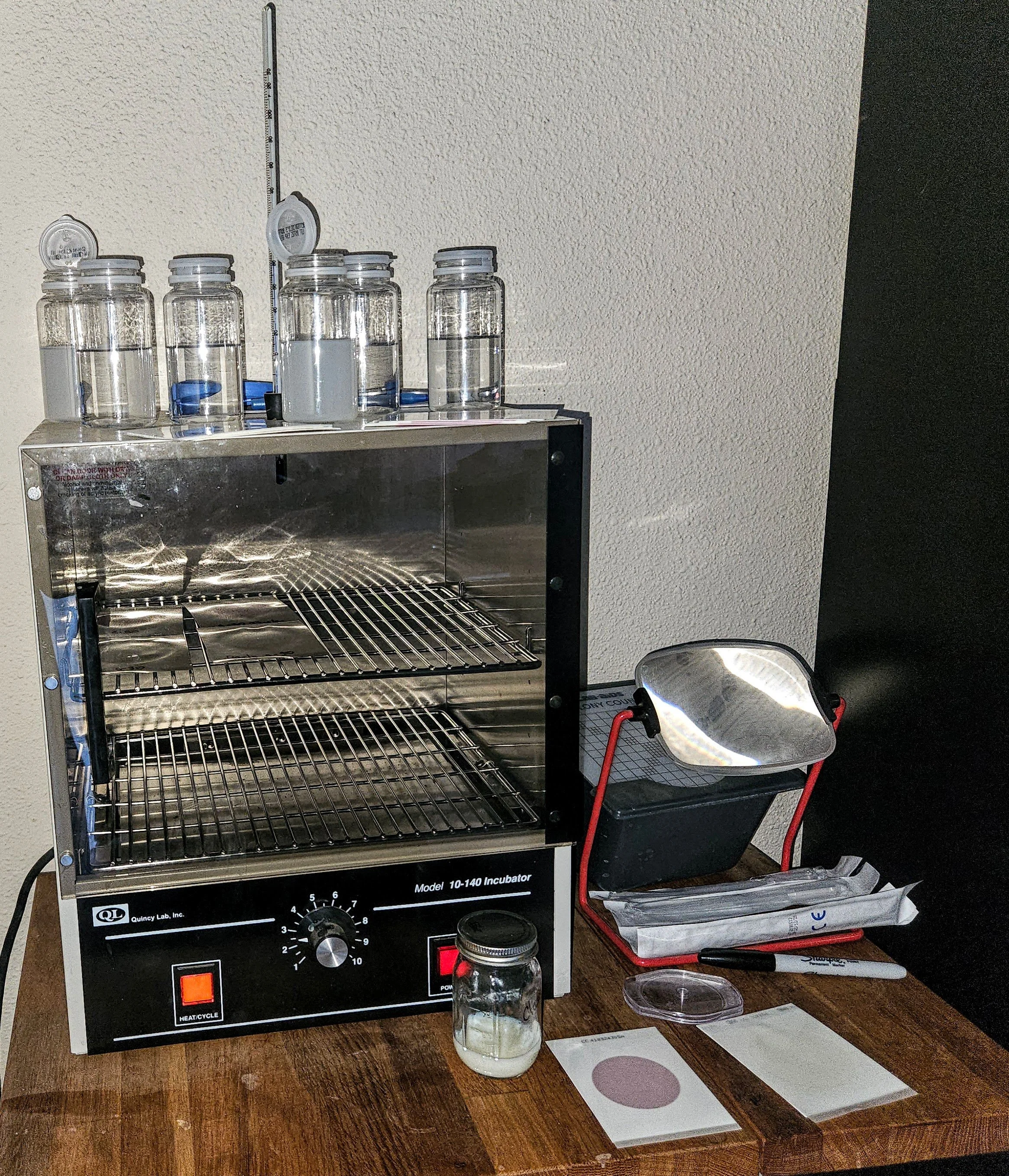
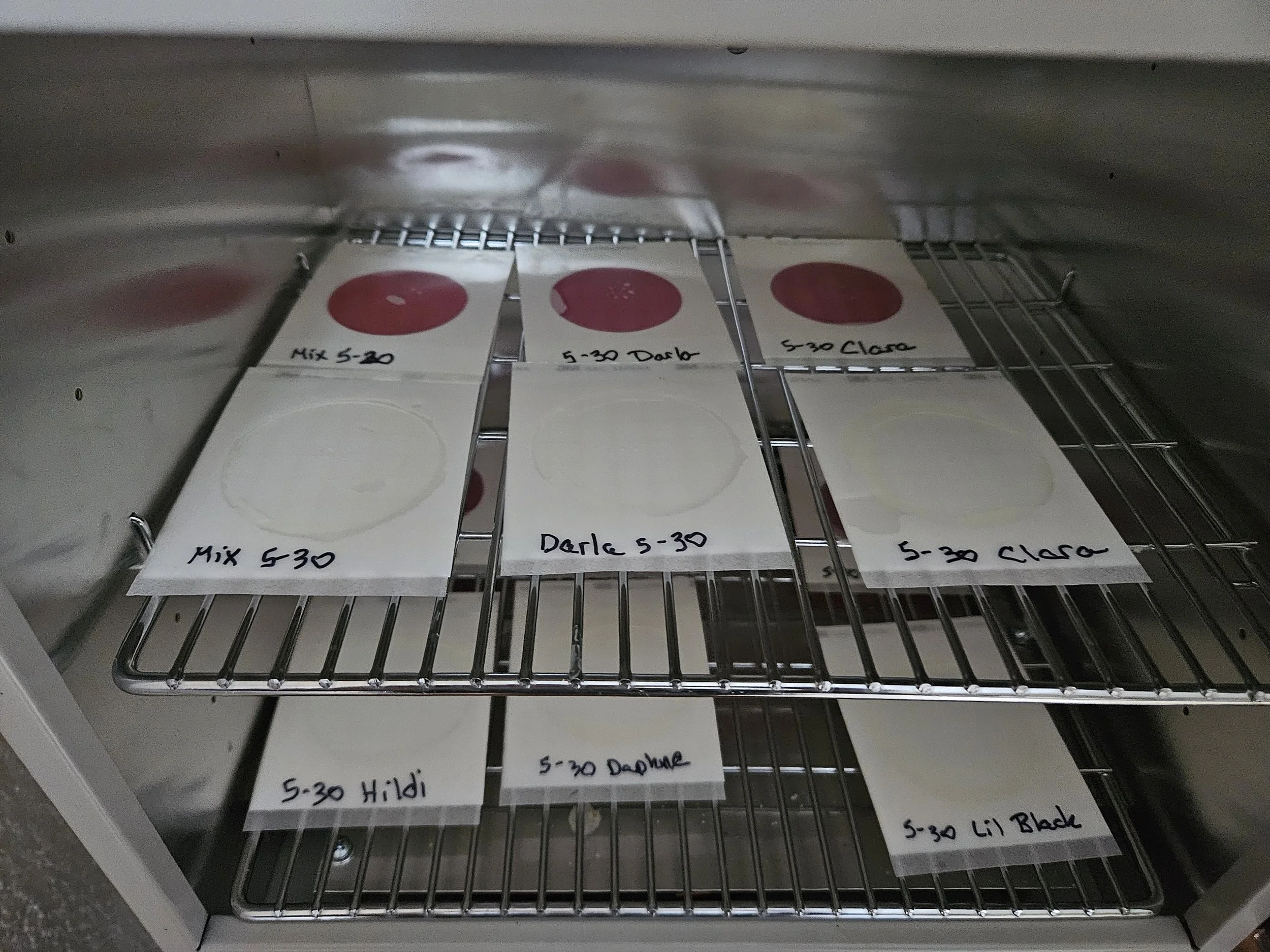
RAC- Rapid Aerobic Count measures the total number of aerobic bacteria present, indicating overall hygiene and potential contamination. The test is to assess the quality, monitor hygiene practices, and identify potential spoilage issues.
CC Coliform -Coliform testing of raw milk is a way to assess the health of the cows, overall hygiene, and cleanliness of the milking process and environment. High Coliform counts suggest poor milking hygiene, such as milking sick or dirty cows, or using unsanitized equipment.
How would you know if your raw milk had a hot test?
1- It would sour faster, A LOT faster. Our raw milk can be kept in the back of the fridge unopened for 2 weeks or more and tastes fresh when opened.
2- It might have a salty or bitter taste. Salty is usually a sign of mastitis in the cow, and bitter is usually a contamination issue.
3- There is a gas release or excess bubbles in the jar. This is a sign that the milk is fermenting, and it shouldn’t do this unless it’s been sitting on the counter for a few days or intentionally inoculated with a culture.
4- Your raw milk producer tests each batch of milk and lets you know before you even get it.
I know it can be frustrating not to receive your weekly raw milk, but here at Tide Creek Farms, safety and quality are our priorities. If you ever get that dreaded text that says we popped hot on our test, you can be assured we are always looking out for you & your family.